Trigger point massage focuses on sensitive areas within the muscles. Do you suffer from recurring muscle problems? At FRISKFYSIO Amstelveen, we first assess what is causing your symptoms and whether massage is suitable for your situation.
Massage can provide temporary relief for some types of pain. The effect varies from person to person and depending on the condition. We will discuss what you can expect from it and assess together whether this approach is suitable for your needs.
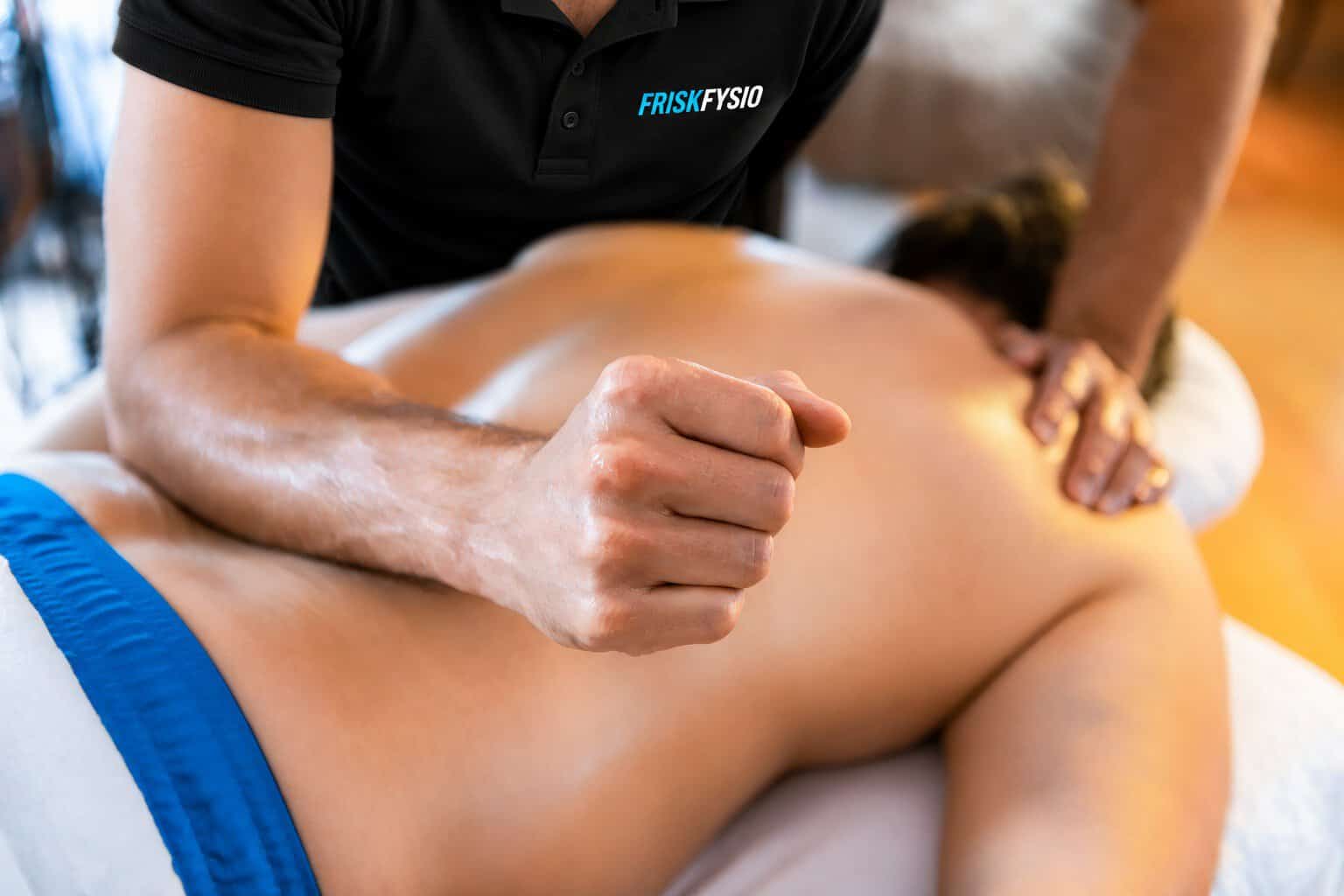
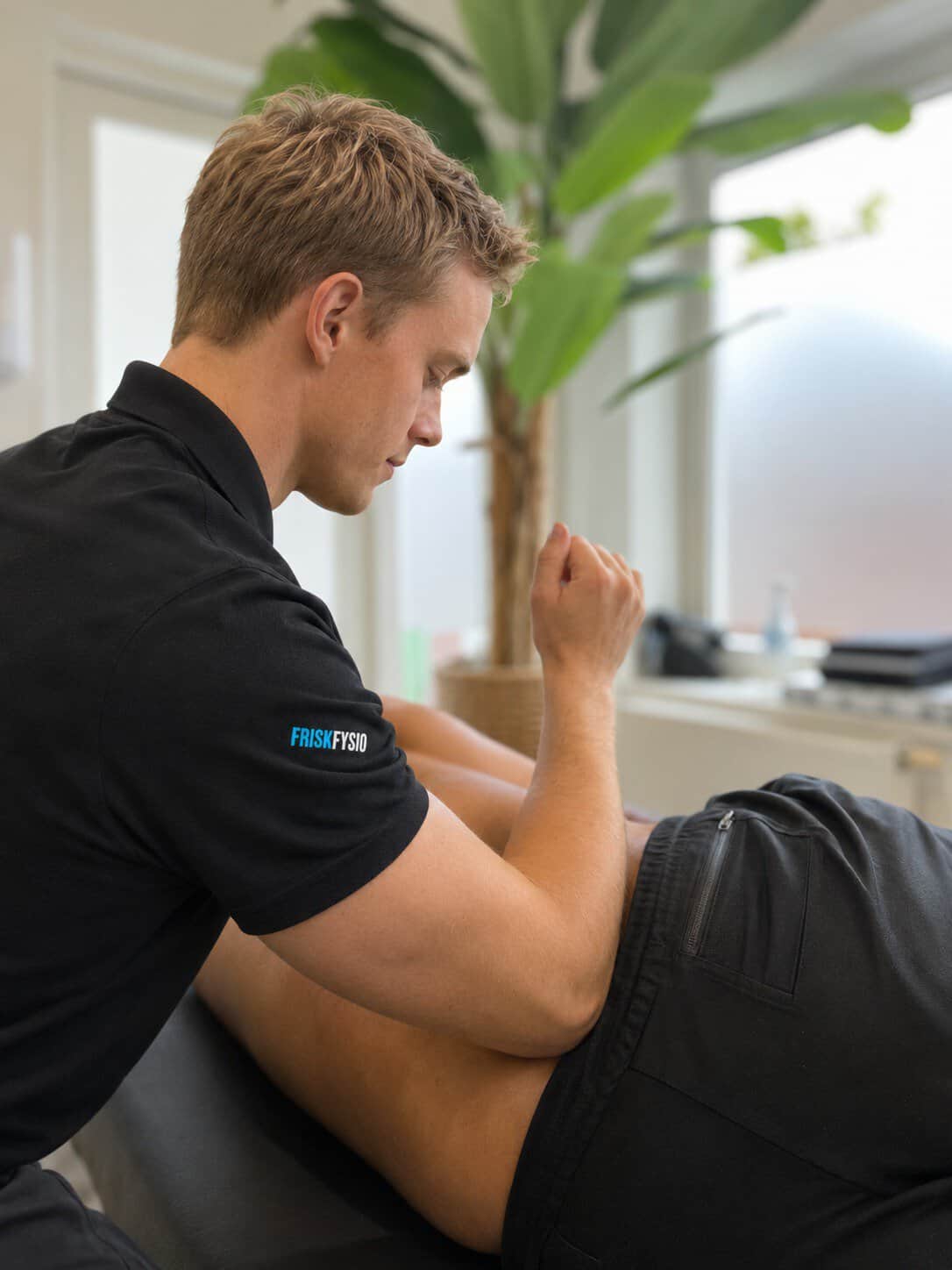
What can you expect from trigger point massage?
We’ll discuss what’s bothering you, which activities you find difficult and what you’d like to achieve. During the massage, we’ll adjust the pressure to suit your comfort level. Please let us know if anything feels too painful or uncomfortable.
Massage can form part of a wider treatment plan that includes exercises and advice. We will assess together whether it is beneficial for you and adjust the approach if there is no improvement. Research into massage shows that, for some conditions, it is mainly effective in the short term; the strength of the evidence varies.
What information will help with the investigation?
A tender spot in a muscle does not automatically explain the cause of all your pain. That is why we look beyond just that spot. You can prepare for the consultation by gathering information on:
- When the symptoms began
- Activities during which you experience more or fewer symptoms
- Changes to work, sport or daily activities
- Previous complaints, treatments and medication use
- Your personal goals
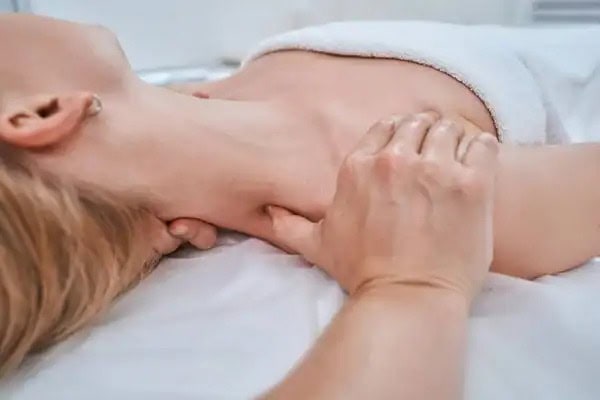
When is a further assessment required?
Do not use massage as a substitute for a medical assessment. If you experience new, unexplained or worsening symptoms, it is important to have the cause assessed. Please inform us in advance of any relevant medical conditions and medication so that we can tailor the treatment accordingly.
Massage is not suitable for every condition or every body type. Together, we will discuss the potential benefits, any discomfort and possible alternatives.
More than just the sore spot
Recurring muscle problems can make you feel uncertain. You may be wondering why a particular area remains tender or why the symptoms are more noticeable on some days than others. You’ll be given the opportunity to talk about what you’re experiencing and how it affects your day.
We will discuss your expectations and explain the findings. A sensitive area is just one part of the assessment; your day-to-day activities and personal goals remain important. Please feel free to ask questions if an explanation is unclear or does not match your experience.
Agreeing on the treatment together
- A clear explanation. We’ll discuss which area will be covered and what the aim is.
- Your consent. You can ask questions, state your preferences or decide not to have a particular part carried out.
- An appropriate pressure. Tell us how you’re feeling and set your boundaries; you’re allowed to ask for a break.
- Evaluation. We will discuss your feedback and whether the plan needs to be amended.
Exercise and your daily life
If massage forms part of your treatment plan, we will also discuss which exercises or advice are suitable for your situation. You will learn how to perform them under supervision and can ask for a repeat demonstration. The aim is for you to understand what has been agreed and what you can do at home.
Tell us how you’re getting on with activities such as work, sleep, exercise or going for a walk. We’ll discuss which changes are important to you and how you can fit the exercise plan into your day. You can find your personalised exercise programme in the FRISK App.
When shall we discuss another follow-up?
If your symptoms persist, change or the treatment is not working, we will review the approach. Sometimes a different treatment or further assessment is needed. We will explain the options and, if necessary, liaise with other healthcare professionals involved, with your consent.
APPOINTMENTS AND CONTACT DETAILS
An appointment at FRISKFYSIO Amstelveen
Do you have any questions about trigger point massage or would you like to book an appointment? Please get in touch with our team or use the online booking system.
QUESTIONS ABOUT YOUR TREATMENT
Frequently asked questions
About trigger point massage
Click on a question to read the answer.
What is trigger point massage?
Trigger point massage focuses on sensitive areas within the muscles. We first assess what is causing your symptoms and whether massage is appropriate.
Is a tender spot always the cause of my pain?
No. A tender spot does not automatically explain all your symptoms. That is why we also look at your activities, the strain you are under and other factors.
Does trigger point massage hurt?
We’ll adjust the pressure to suit you. Please let us know if anything feels too painful or uncomfortable.
How soon will I notice an improvement?
Massage can provide temporary relief for some conditions. The effect and duration vary from person to person and depending on the condition.
Will I be given exercises as well?
Massage can form part of a wider plan involving exercises and advice. We’ll discuss together what best suits your goals.
When should I have my symptoms assessed first?
Please have any new, unexplained or worsening symptoms assessed. Please let us know in advance what conditions you have and what medicines you are taking.
May I point out that the pressure is too strong?
Yes. Tell us how you’re feeling and let us know your boundaries. We’ll adjust the pressure to suit you, and you can always ask for a break or for adjustments to be made.
What if the treatment isn’t suited to my symptoms?
Please discuss this with your practitioner. We will review the approach and consider whether a different treatment plan or further assessment is appropriate.