
Dry Needling

What is dry needling?

In dry needling, the physiotherapist inserts a thin needle into a muscle, for example at a sensitive spot known as a trigger point. No medication is injected. The treatment is sometimes used as a complementary therapy for muscle problems.

The effect varies depending on the condition and the individual. A brief muscle twitch during the injection does not prove that the treatment has been successful. We focus primarily on assessing whether your symptoms and everyday movements are improving.

At FRISKFYSIO Amstelveen, we first discuss your symptoms, expectations, alternatives and potential risks. Dry needling is not suitable for everyone and does not guarantee a rapid or permanent recovery. Exercises and advice may form part of the treatment plan.
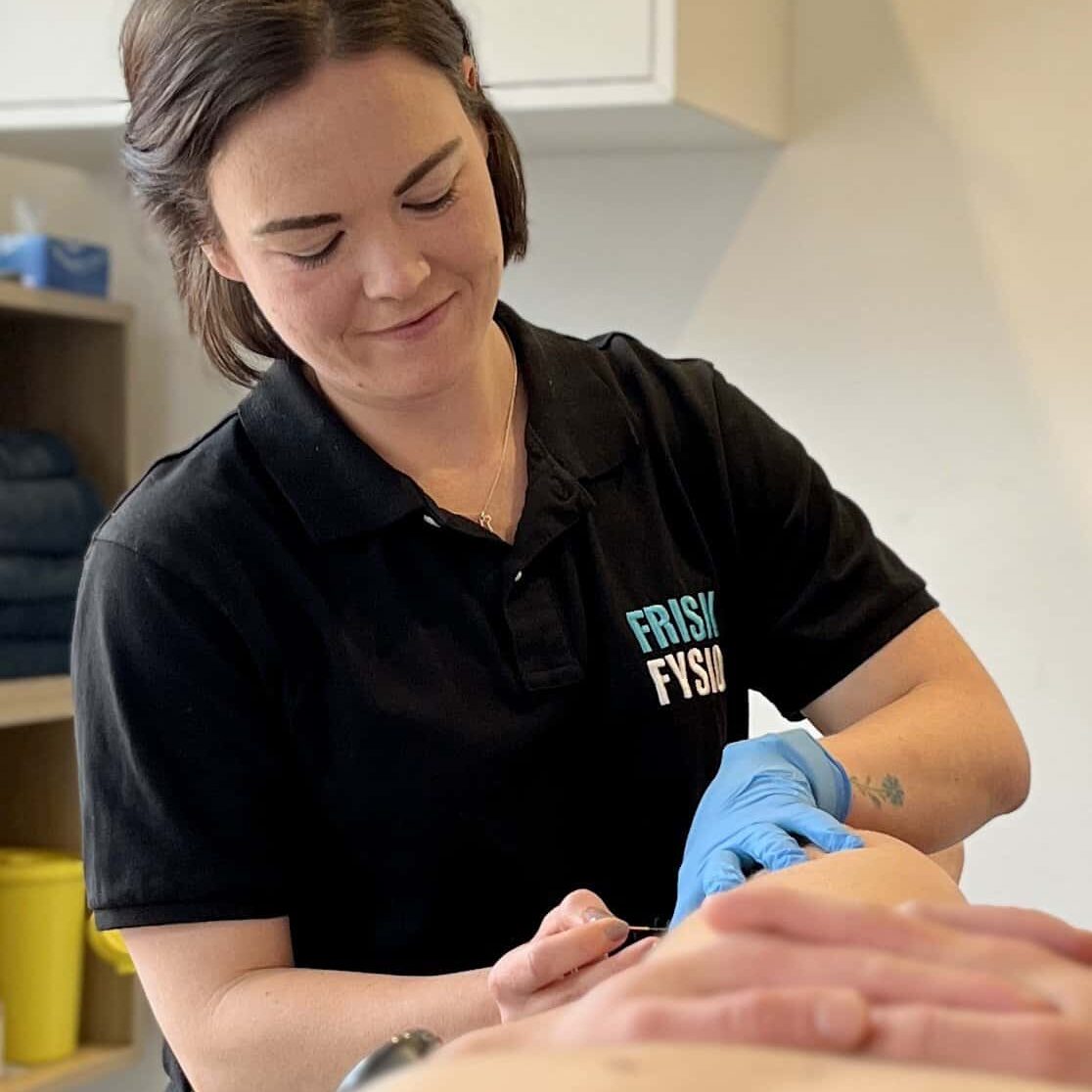
Exercise therapist treating a patient with a syringe, professional physiotherapy with a focus on recovery and wellness in clinic.

We will discuss in advance what you can expect from dry needling, what the risks are and what alternatives are available to you. Together, we will decide whether this treatment is suitable for your situation.

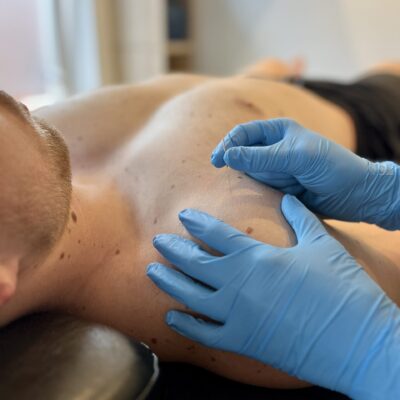
Work physiotherapy for muscle and joint tension, with therapist inserting acupuncture needles into patient's back. Focus on medical treatment and recovery.

What can FRISKFYSIO Amstelveen do for you?

Possible side effects and points to bear in mind

After dry needling, you may experience temporary post-treatment pain, minor bleeding or a bruise. There are also more serious risks, such as infection or tissue damage. When needles are inserted around the chest, neck or shoulder, there is a risk of a pneumothorax.

Do you experience chest pain, pain when breathing or shortness of breath after treatment? Seek medical attention immediately. If you have severe symptoms, call 112.

Please inform your physiotherapist in advance about any medication you are taking, including blood thinners, any relevant medical conditions, pregnancy, skin problems and a fear of needles. Together, you will discuss whether the treatment is appropriate and advisable. You are always free to choose a different approach.