Jaw pain

Do you regularly experience pain or tension in your jaw? Does it feel as though your jaw is locked, or do you find it difficult to chew, speak or yawn? If so, there’s a good chance that orofacial physiotherapy could help you.

When people experience jaw problems, many think of the dentist first – which is understandable, as the problem is located around the mouth. But did you know that these problems often stem from tense chewing muscles, overuse, stress or poor posture? In such cases, physiotherapy, and in particular orofacial physiotherapy, support in alleviating symptoms and improving jaw function.

At FRISKFYSIO Amstelveen, we specialise in orofacial physiotherapy, also known as jaw physiotherapy. This specialism focuses on problems in the head, neck and jaw area. Our therapists can help you with pain or loss of function in the jaw, as well as with related symptoms such as headaches, neck pain, teeth grinding or earache associated with jaw problems.

Whether you’re suffering from a tight jaw, a clicking jaw joint or the feeling that your jaw is ‘locked’ — we offer personalised, targeted treatment to relieve your symptoms and restore function.

Do any of the following symptoms sound familiar? If so, it would be wise to get in touch with us:

A physiotherapist examines the jaw of a seated patient
  • I have a nagging pain in my lower jaw or in both jaws. This happens both when I’m resting and when I move my jaws.
  • I am often tired of chewing
  • I often feel persistent pain in and around my ear. This often looks like earache
  • Pain radiates to my head, neck, neck and/or shoulders
  • I have difficulty opening and closing my mouth
  • My jaw regularly feels stiff or thick
  • I often hear a noise when I move my jaw
  • I often suffer from headaches
  • It hurts when I yawn
  • It hurts when I swallow
  • I often suffer from tinnitus

Are your symptoms persisting, are you unsure about your condition, or are you finding the pain unbearable? Book an appointment at FRISKFYSIO Amstelveen and we’ll be happy to help you get rid of your symptoms or provide you with appropriate advice. Even if your symptoms keep coming back, it’s important to get in touch with us! This often enables us to prevent your symptoms from getting worse.

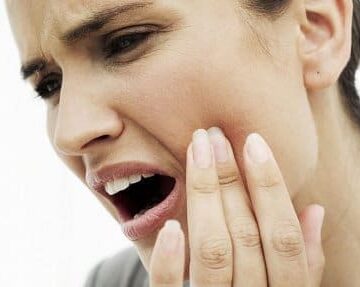
A woman with her hand against her cheek

How do these complaints arise?

Ailments affecting your head, jaw or neck can be very troublesome and have a major impact on your daily life. These include tension headaches, a nagging pain in the jaw, difficulty chewing, or stiffness in the neck. But where do these ailments actually come from?

The exact cause is not always easy to determine. Often, several factors are at play at the same time. Sometimes there is a clear trigger, such as an accident or dental treatment, but in other cases the symptoms develop gradually, for example due to stress or overuse. Below is an overview of the most common causes:

  • Overuse of the masseter muscles
  • Incorrect eating and chewing habits
  • Stress
  • Moving your jaw incorrectly
  • ‘Locking’ your jaw
  • Crooked neck

APPOINTMENTS AND CONTACT DETAILS

An appointment at FRISKFYSIO Amstelveen

Do you have any questions about treatment for jaw problems, or would you like to book an appointment? Please get in touch with our team or use the online booking tool.

QUESTIONS ABOUT YOUR TREATMENT

Frequently asked questions about jaw pain

Click on a question to read the answer.

Jaw pain may be related to the temporomandibular joint or the masticatory muscles. Dental problems can also cause pain. An examination will help determine what treatment is required.

Yes. Clenching your jaw a lot, chewing gum and feeling stressed can put strain on your chewing muscles. Together, we’ll discuss which of your habits might be playing a part.

Try to relax your chewing muscles. Eating softer foods for a while and taking small bites may help. Discuss any persistent symptoms with your dentist or GP.

Please contact your dentist if you think the pain is coming from a tooth, or if you are unsure of the cause. Any mouthguard you are using should be assessed by your dentist.

Support may involve explanations, relaxation and appropriate exercises for the jaw. The approach will be based on your symptoms, the examination and, where necessary, consultation with your dentist.

Please tell us when the pain occurs, whether eating or speaking is difficult, and what treatment you have already received. We will then discuss which support is best suited to your goals.

If exercise is appropriate, your physiotherapist will explain the exercises to you. You can find your personalised programme in our FRISK App.