EPTE, PNE and EPI therapy

Long-term tendon problems can make it difficult to move around, work and play sport. At FRISKFYSIO Amstelveen, we discuss whether percutaneous electrolysis therapy might be a suitable addition to your treatment. We first look at your symptoms, the strain on the tendon and what you’d like to improve in your daily life.

What is percutaneous electrolysis?

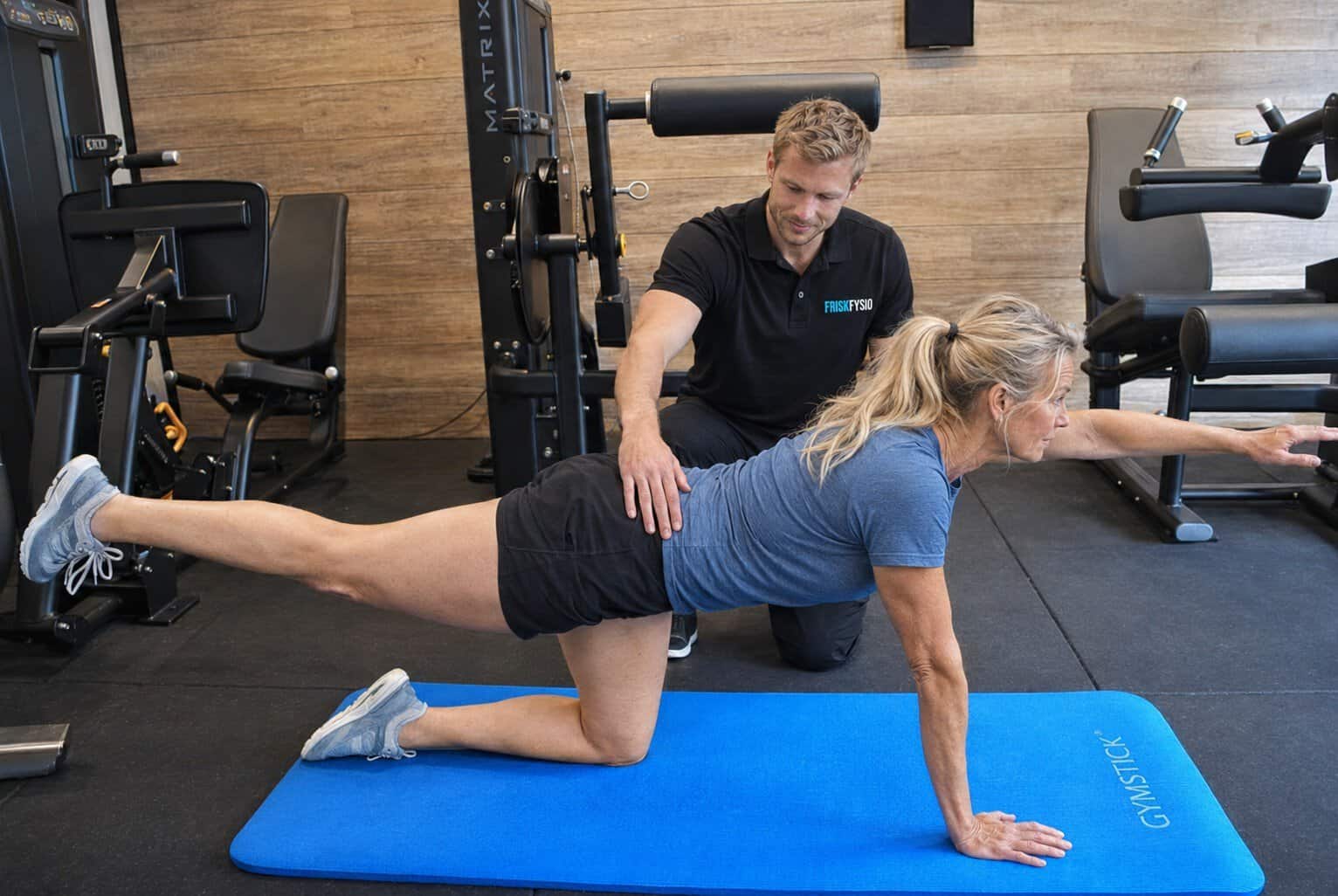
In this technique, an electric current is delivered to the tissue to be treated via a thin needle. We use ultrasound to visualise the area. EPTE, PNE and EPI are terms used within percutaneous electrolysis therapy; the method and settings used may vary.

We will explain in advance what approach we are proposing and why. You can ask questions about how you are feeling, any potential risks, other treatment options and the role of exercises in your treatment plan.

AI-generated image: a female physiotherapist treating a knee using a fine needle and ultrasound guidance

Let’s consider together what adds value. There is limited scientific certainty regarding the added benefit of percutaneous electrolysis. We therefore do not promise a cure within a set number of treatments. We will discuss the uncertainties and assess together whether this additional treatment is appropriate for you.

First, understand where your symptoms come from

Tendon problems can occur, for example, around the shoulder, elbow, knee or Achilles tendon. The location of the pain alone is not enough to determine the appropriate treatment. We discuss how the symptoms began, which activities are difficult to perform and what results previous treatments have yielded.

We will then assess your movement and discuss the possible next steps. Acupuncture is not automatically necessary if you have been experiencing pain for some time. Your preferences, your health and the options for treatment without needles will all be taken into account when making this decision.

  • Your story and your goals. Which activities would you like to be able to do again, and what difficulties are you currently facing?
  • Research and explanation. We explain our findings and discuss what remains unclear.
  • An appropriate approach. We will discuss exercises, physical activity and any additional treatment.
  • A time for reflection. Together, we’ll decide how to assess your progress and when to make adjustments.

What does the treatment involve?

If we decide together to go ahead with percutaneous electrolysis, we will first go through the procedure and answer any questions you may have. You will assume a position that allows access to the treatment area. The area will be examined using ultrasound; the thin needle will then be inserted and the current applied.

Please tell us how you’re feeling during the treatment. If you find needles unnerving, please let us know in advance. You can always ask for a break, ask us to stop, or let us know if you’d prefer a different approach.

Afterwards, we will discuss what response you can expect, which actions are appropriate and when you should get in touch. We will tailor these arrangements to your situation and the treatment you have received.

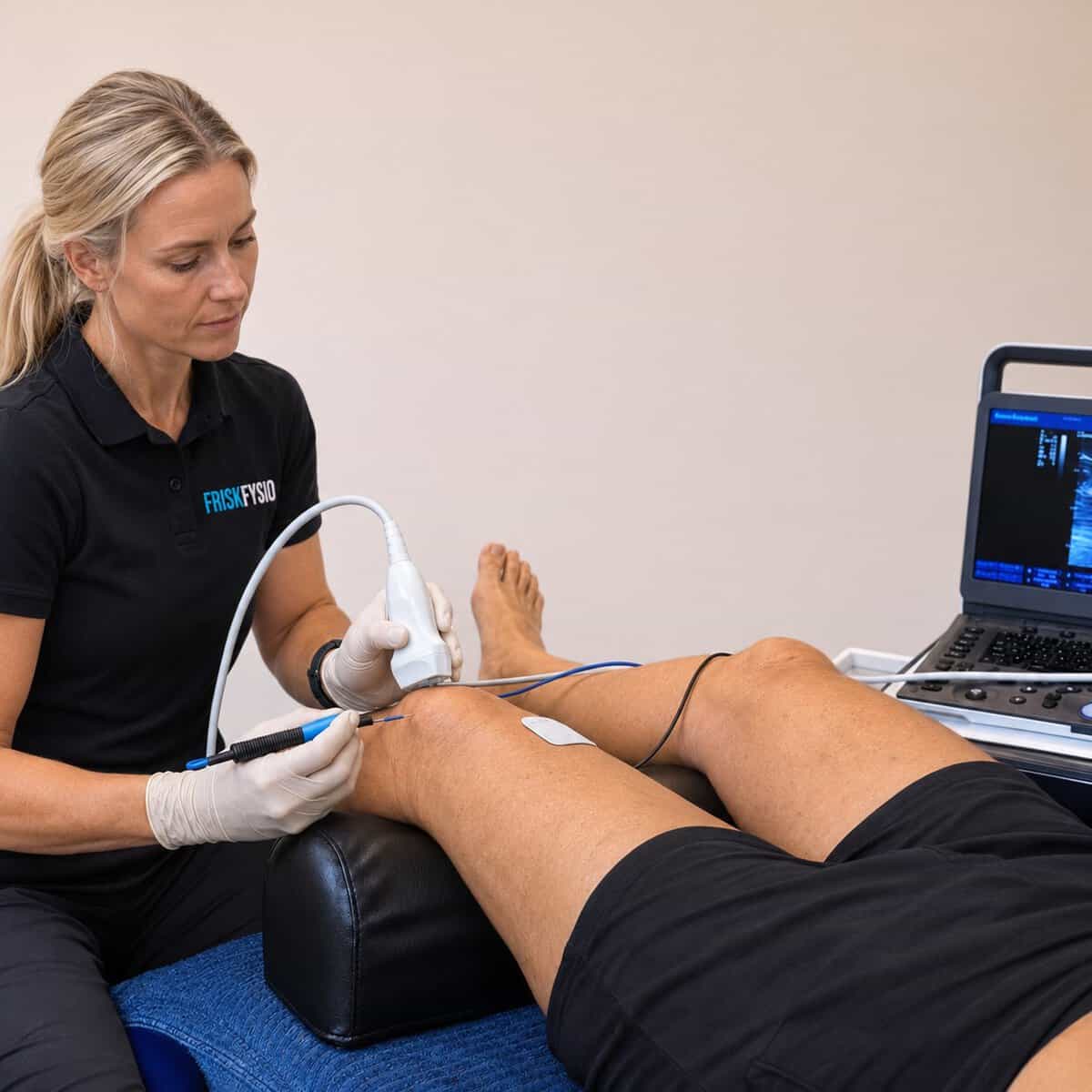
AI editing of a clinical photograph: a male physiotherapist is assisting a woman with a core exercise on a mat

Practising and building up the workload

Our support goes beyond any needle treatment. When dealing with tendon problems, we also look at the balance between work, sport and rest. Using targeted exercises, we gradually build up the workload to a level that suits your abilities.

Your exercises do not have to be the same for everyone. We’ll discuss which movements suit your goals and how you can tell whether the progression is achievable. Please also let us know how you feel in the hours and days following an activity, so that we can adjust the programme.

The starting point is what you want to be able to do again: for example, walking, lifting, carrying out your work or taking up your sport again. We make the steps as specific as possible and assess your progress together.

What do you discuss beforehand?

Please tell your physiotherapist about your health, any medication you are taking and any previous reactions to needle treatment. Please let us know if you have any concerns or if you have any other preferences. We will discuss whether further consultation or an assessment by a doctor is required.

Please get in touch after your treatment if your reaction is different from what was discussed beforehand, or if you have any concerns. Please let us know about any new or changing symptoms so that we can reassess which course of treatment is right for you.

Would you like to read more about your symptoms? Take a look at the pages on shoulder complaints and knee problems. The Scientific background on percutaneous electrolysis is in English. Would you like to discuss your situation? Send us a message.

APPOINTMENTS AND CONTACT DETAILS

An appointment at FRISKFYSIO Amstelveen

Do you have any questions about support for EPTE therapy, or would you like to make an appointment? Please get in touch with our team or use the online booking tool.

QUESTIONS ABOUT YOUR TREATMENT

Frequently asked questions
About EPTE therapy

Click on a question to read the answer.

What is percutaneous electrolysis therapy?

In this treatment, an electric current is delivered to the tissue to be treated via a thin needle. We use ultrasound to visualise the area.

Is EPTE suitable for every tendon-related complaint?

No. We’ll first discuss your symptoms, health, physical strain and goals. Acupuncture is a possible complementary treatment and isn’t automatically necessary for tendon problems.

How many sessions are needed?

This is not the same for everyone from the outset. We will agree on how to assess your progress and evaluate whether it makes sense to continue. A fixed number of treatment sessions does not guarantee a full recovery.

Is it guaranteed to work?

No. There is limited scientific certainty regarding the added value. We discuss this uncertainty and the alternatives so that you can make an informed choice.

What should I discuss beforehand?

Please tell us about your health, any medication you are taking and your previous experience with needle treatments. Ask any questions you may have about the procedure, potential risks, other treatment options and aftercare.

Can I choose a different approach?

Yes. Your preferences are taken into account. You can refuse acupuncture treatment or ask for it to be stopped. We will then discuss what other forms of support might be suitable.

Will exercises continue to form part of the treatment plan?

We take a holistic approach to your training, including exercises and the gradual increase in workload. The steps we take are determined by your activities, goals and response to the programme.

What if I find needles a bit scary?

Please let us know in advance. We’ll take the time to explain things and answer your questions. You’ll have a say in the treatment and can always ask for a break or a different approach.