Oedema therapy

When should you seek medical help first?

Call your GP or the GP out-of-hours service immediately if you develop a new swelling in your lower leg that feels warm and painful, or if you are breathing more rapidly and experience pain when breathing. Do not wait for oedema treatment. Also call your GP if you have a red arm or leg accompanied by a fever.

Swelling in your arm or leg can have various causes. It is not necessarily lymphoedema. You should first have any new or unexplained swelling assessed by your doctor.

In lymphoedema, fluid accumulates in the tissue because drainage via the lymph vessels is insufficient. It can be caused, for example, by:
  • A congenital abnormality of the lymphatic vessels
  • Damage to lymph vessels or lymph nodes caused by surgery or radiotherapy
  • A combination of problems with fluid drainage, for example in cases of long-term venous problems
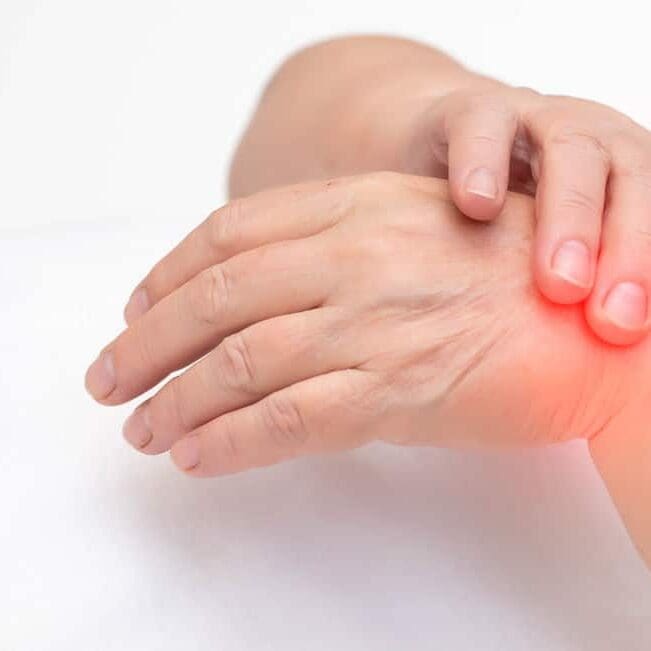
Hand resting on a wrist with a red mark

"At FRISKFYSIO Amstelveen, we discuss your symptoms, medical diagnosis and daily goals. We assess what kind of support is appropriate and whether specialised oedema care is required. Together, we draw up a plan and evaluate the results."

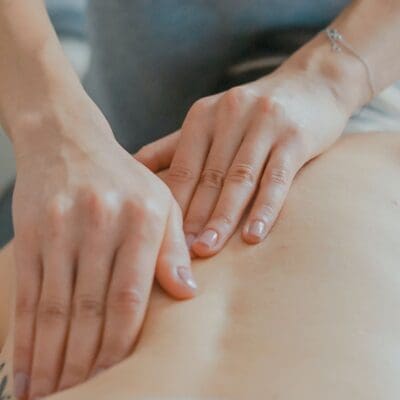
Ultrasound physiotherapy treatment for back or shoulder pain in a physiotherapy practice.

Treatment of (lymphatic) oedema can consist of several components

  • Compression: Appropriate bandages or compression stockings can help to reduce and manage the swelling. The type of compression therapy is chosen with care.
  • Exercise: Exercises help to strengthen muscles and joints and promote the drainage of fluid.
  • Skin care and self-management: You will be given advice on personal care, changes to your skin and how to manage your symptoms.
  • Manual lymphatic drainage: In certain situations, this can be a useful addition. Not everyone needs the same treatment.

Lymftape is not an equivalent substitute for prescribed compression. Always discuss which treatment is appropriate for your situation.