
Schroth therapy for scoliosis

Schroth therapy is a form of exercise therapy specifically designed for scoliosis. At FRISKFYSIO Amstelveen, we discuss which exercises are best suited to your situation and treatment goals.

In scoliosis, the spine is not only curved sideways but also twisted. Schroth exercises take this three-dimensional shape into account. The exercise programme is tailored to the individual’s curvature.

  • Postural awareness: learn to recognise how you stand, sit and move.
  • Active posture correction: practise in a starting position that suits you.
  • Breathing: Combine controlled breathing with the exercises.
  • Strength and daily functioning: practise movements that are suited to your activities.

The effects vary from person to person. Research into exercise therapy for scoliosis has not yet provided any certainty regarding the prevention of further curvature. Exercises therefore do not automatically replace medical check-ups, a prescribed brace or other treatment.
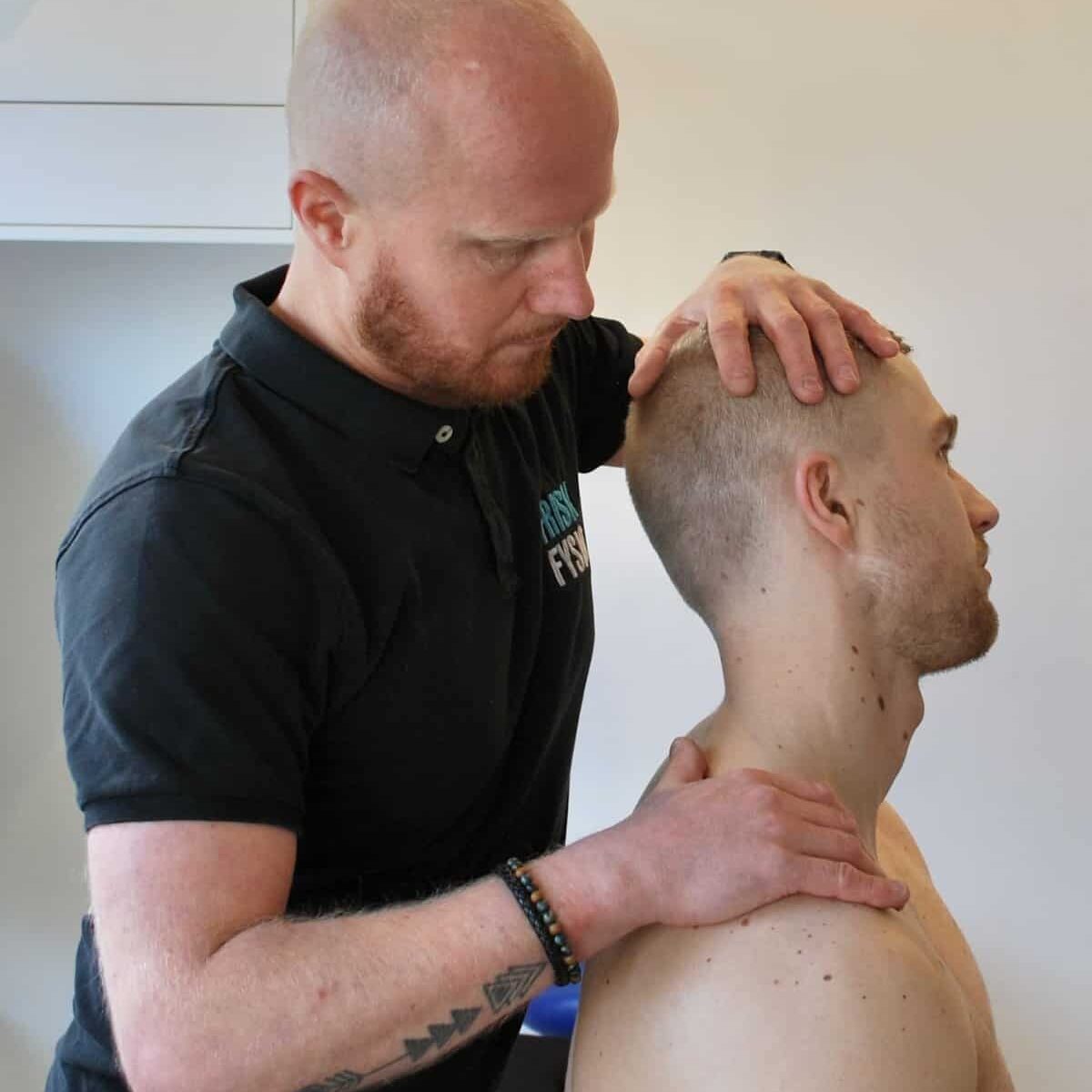
A physiotherapist examines the neck of a seated client

Would you like to know whether Schroth therapy is right for you? We’ll discuss your situation, assess your options and work with you to draw up a suitable exercise plan. Please bring any questions you may have, along with any information from your specialist, to the initial consultation.

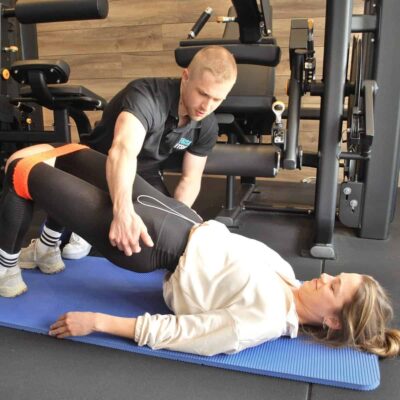
Physiotherapy treatment with trainer and patient in a gym for rehabilitation and physical fitness | Professional physiotherapist performs exercise on a mat with tools for recovery | Optimise your recovery and exercise strength at Frisk Physio.

Who is Schroth therapy suitable for?

A Schroth exercise programme may be considered for children, young people and adults with scoliosis. The most appropriate approach depends, amongst other things, on the degree of curvature, growth, symptoms and medical assessment.

  • Children and young people: Exercises are tailored to the patient’s progress and the treatment plan drawn up by the relevant specialist.
  • Adults: Goals may focus on day-to-day functioning, physical activity and managing symptoms.
  • Other spinal conditions or following surgery: First, assess which form of support is appropriate and what restrictions or arrangements apply. Schroth therapy is not necessarily suitable for every situation.

Do you wear a brace or are you being treated by a specialist? Please mention this at your initial consultation and continue to attend the agreed check-ups.

What does a treatment look like?

We will discuss your reasons for seeking help, your medical history and any appointments you may have with your specialist. We will then assess your posture and movement and discuss a personalised exercise plan.

  • You will learn the exercises step by step under supervision.
  • We tailor the exercise posture, breathing and intensity to suit you.
  • You will be given guidance on practising at home and incorporating the exercises into your daily activities.
  • We will review your experiences and progress and adjust the plan if necessary.

We cannot guarantee that the curvature will change or that the pain will disappear. Please ask questions if you are unsure about an exercise or notice any changes in your symptoms.