
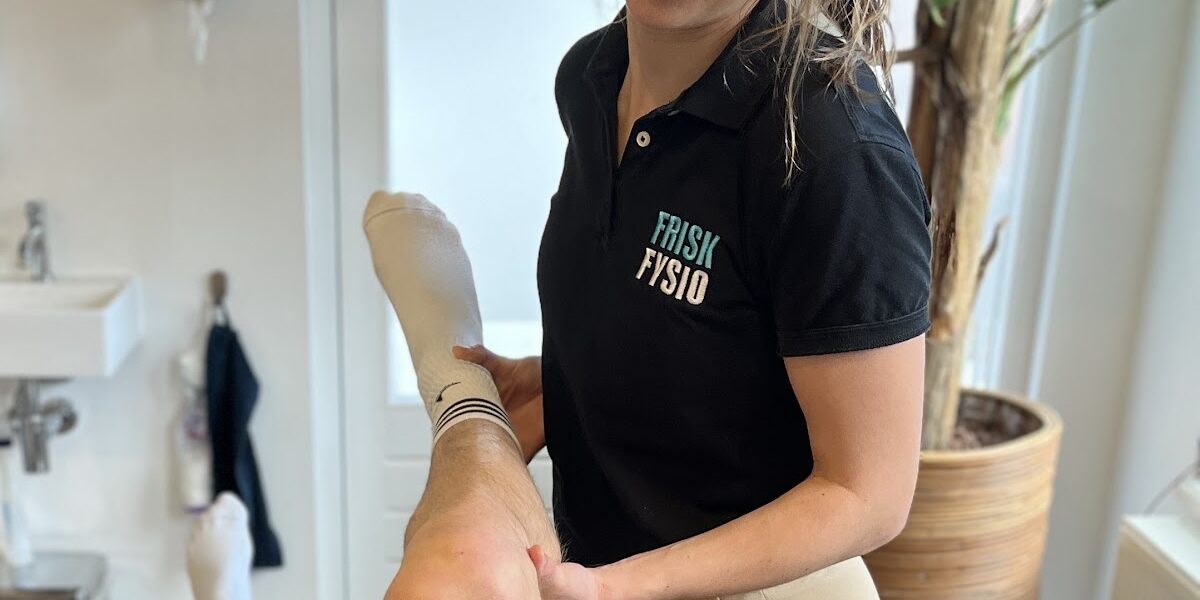
You stand up from the sofa and hear a crack in your knee. However, there’s no need to worry straight away. Everyone experiences a creaking or cracking knee from time to time. But what causes this sound? Is it something to worry about? In this blog, we’ll take a closer look at the causes of cracking knees and offer some tips on how to deal with them.
What causes buckling knees?
Cracking or popping noises in your knee can have various causes. A common reason is that your kneecap does not move smoothly through the groove in your thighbone. This may be due to reduced control of your thigh muscles, tight tissue around your kneecap or shortened muscles. These factors can prevent your kneecap from moving freely enough, leading to the familiar cracking sound.
Another cause is a change in the cartilage beneath your kneecap. Stress on the joint, such as from sport or other activities, can cause the cartilage to wear down unevenly or become softer. This produces a sound when, for example, you squat down. Sometimes fluid may also pop out from under your kneecap, which can also cause a cracking or popping sound. Although these sounds can sometimes sound alarming, in most cases they are harmless and no cause for concern.
What can you do yourself?
There are several ways to reduce snapping knees:
1. Reduce muscle tension and protect your knees
Excessive muscle tension around your knee can be caused by overuse, poor posture, a lack of flexibility, weak muscles, stress or old injuries. This increases the pressure on your kneecap and can lead to symptoms such as a cracking sound.
To reduce this tension, stretching exercises can help, such as stretching the hamstrings, quadriceps and calves. In addition, exercises for the gluteal and hip muscles improve stability and reduce the strain on your knees. Foam rolling and massage can help loosen tight muscles, whilst heat promotes relaxation and cold helps with inflammation. Correct posture and movement are essential to prevent overuse.
2. Train your coordination
Impaired coordination can alter the position of your kneecap in relation to your thigh. Coordination training helps to restore the correct movement pattern, which may reduce the cracking sound.
3. Loosen the tissue around your kneecap
If the tissue surrounding your kneecap is too tight, this can restrict its movement. By loosening this tissue, your kneecap gains greater freedom of movement, which can reduce the cracking sound. Stretching exercises for the quadriceps and hamstrings, as well as mobilisation exercises such as knee bends and cycling in the air, improve blood flow and flexibility. By doing these exercises regularly, you’ll reduce tension and improve the mobility of your kneecap.
4. Use tape
Taping your kneecap in a specific way can help it move more smoothly through the groove in your thigh, thereby reducing the cracking sound. This is a temporary solution that can help you move more easily and regain your normal range of motion. We recommend having the tape applied by a professional.
Physiotherapy for painful knees
If you continue to experience cracking knees, particularly if this is accompanied by pain or other symptoms, physiotherapy may help. A physiotherapist can draw up a personalised treatment plan to tackle the cause of your symptoms. This may involve exercises to strengthen the muscles around your knee, improve coordination and mobilise the tissue around your kneecap. By working with a physiotherapist, you can effectively reduce your knee symptoms and improve your mobility.
Still suffering from knee pain? Get in touch with us
Do you continue to suffer from creaky or painful knees? At FRISKFYSIO Amstelveen, we’re here to help. Our experienced physiotherapists offer personalised support and will work with you to draw up a treatment plan tailored to your specific situation. Get in touch today contact with us for an appointment by emailing to info@friskfysio.nl or by calling 085-5000333 and take the first step towards a pain-free knee.