
As soon as the temperature drops, some people notice that their body feels different. Muscles feel stiffer and joints seem more sensitive or painful. You might recognise this during a cold morning walk or when you start moving again after sitting still for a while. But is there really such a thing as muscle and joint pain caused by the cold? And what effect do lower temperatures actually have on your body? In this blog, we explain what the cold can do to your muscles and joints. We’ll also give you some tips on how to keep moving smoothly.
Muscle and joint pain caused by the cold – does that really exist?
Many people find that their muscles and joints feel different as soon as it gets colder outside. Changes in the weather can be particularly noticeable if you already suffer from joint problems. However, this does not automatically mean that the cold is the cause of your symptoms.
Do you have rheumatism, for example? If so, you may experience more pain and stiffness in cold or damp weather. According to ReumaNederland, many people with rheumatism experience more pain in cold and damp weather and when it is very windy. Low air pressure may also play a role in this. It is important to note that the weather does not make the rheumatism itself worse, but it can affect the symptoms you experience. Other muscle and joint problems may also be more noticeable on cold days.
Why do muscles and joints feel stiffer in the cold?
When it’s cold and blustery outside, we often tend to be less active. We stay indoors more often, sit still for longer and are less likely to go for a walk or a cycle. It is precisely this lack of activity that can make our muscles and joints feel stiffer.
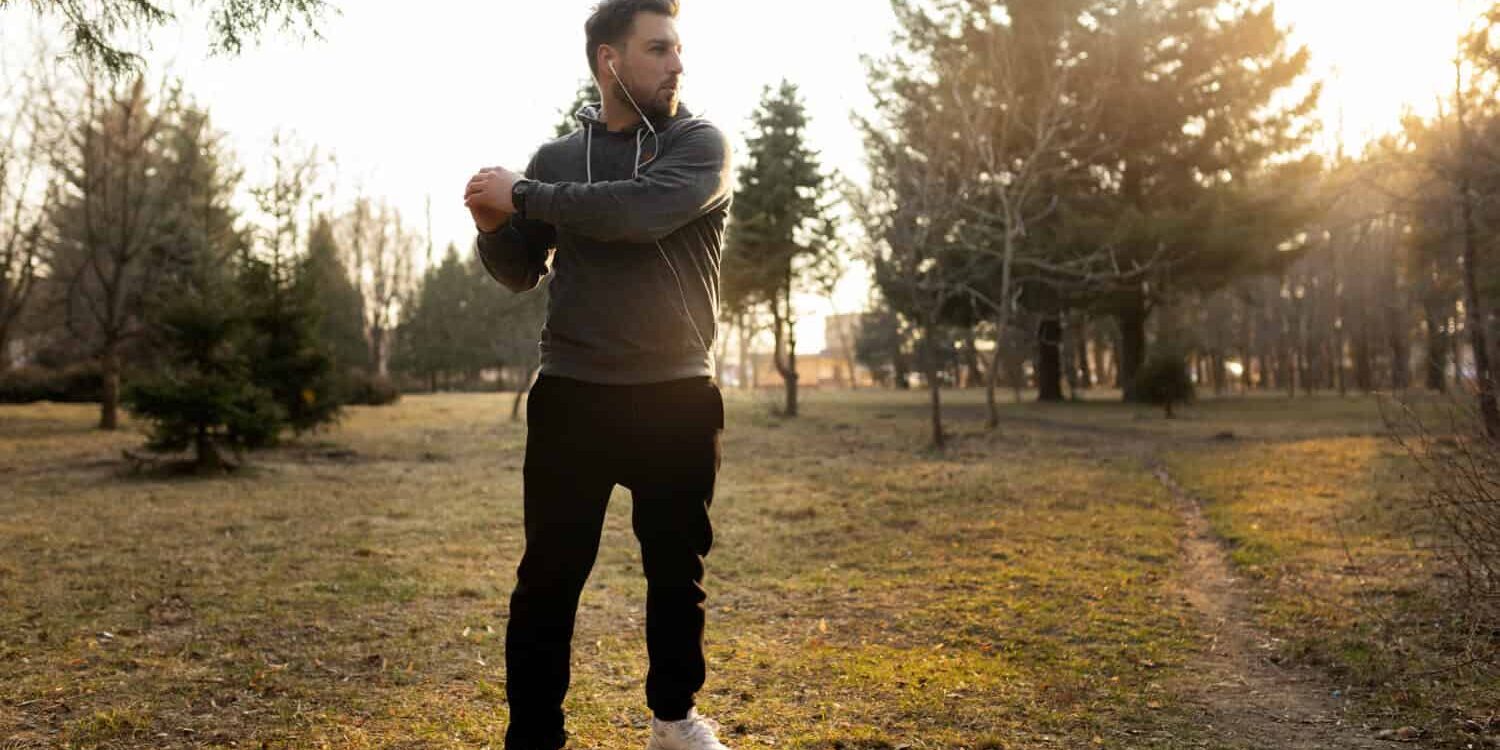
You may also notice a difference when exercising. When you start exercising intensively straight from the cold, your muscles need time to adapt to the exertion. A good warm-up is therefore particularly important on cold days.
Do you already have any symptoms, for example due to osteoarthritis or a previous injury? If so, you may notice changes in stiffness or pain more quickly. The cold need not necessarily be the cause of your symptoms.
What can you do to relieve muscle and joint pain caused by the cold?
Staying active remains important even during the colder months. You don’t necessarily have to do intensive exercise to achieve this. Regular walking, cycling or doing exercises at home helps to keep your muscles active and your joints supple.
A few practical tips:
- Make sure you keep active every day, even when it’s cold outside.
- Make sure you allow plenty of time for a gentle warm-up before you start exercising.
- Wear warm clothes when you go for a workout outdoors.
- Avoid sitting still for long periods at a time.
- Build up your workload gradually if you’ve been less active for a while.
- Choose a form of exercise that suits your fitness level and any health issues you may have.
Above all, try to gauge what your body can cope with. A cold day doesn’t mean you should avoid exercise. In fact, regular exercise helps to keep your body strong and supple.
How can physiotherapy help with muscle and joint pain caused by the cold?
Do you find that you suffer from stiff muscles or aching joints more often during the colder months? If so, a physiotherapist can work with you to investigate the cause of your symptoms. They will look not only at the area where you are experiencing pain, but also, for example, at your muscle strength, range of motion and daily physical demands.
Based on this, the physiotherapist can recommend exercises that are suited to your situation. These might include exercises to improve strength and mobility, as well as advice on gradually building up your activity levels. This will help prevent you from becoming increasingly inactive out of fear of experiencing symptoms.
Do your symptoms persist, are they getting worse, or do they restrict you in your daily activities?
Then feel free to take contact with us at 085-5000333 or send an e-mail to info@friskfysio.nl. Our physiotherapists would be happy to work with you to find ways to keep active comfortably and safely, even during the colder months.