
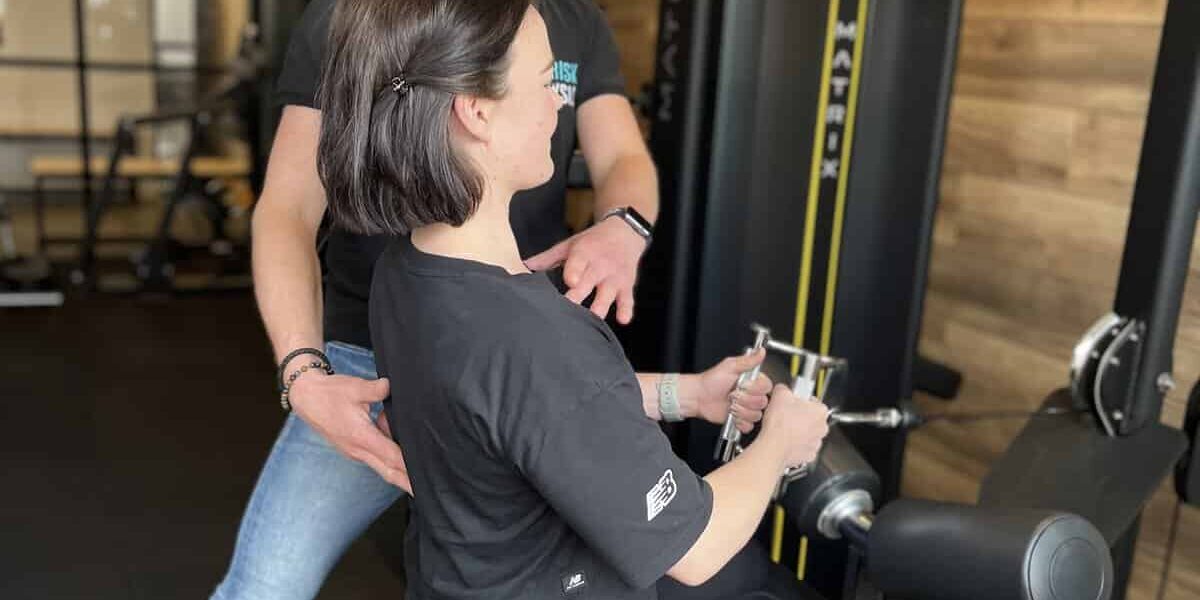
Do you also feel that you’ve only really had a good workout if you’re sore the next day? In many cases, this is a normal reaction by the body to exercise. However, muscle soreness isn’t always harmless. Sometimes your body doesn’t get enough time to recover, and these symptoms can develop into an early-stage injury. Recognising the difference between normal muscle soreness and an injury is important for preventing problems and continuing to exercise safely. In this blog, you’ll find out how to tell the difference.
Muscle ache or an emerging injury – what’s happening inside your body?
According to Health and Care Muscle pain after exercise is often caused by temporary damage to the muscles during physical activity. This is also known as delayed-onset muscle soreness. During recovery, the body adapts and the muscles become stronger and more resilient to strain. Normal muscle soreness usually sets in within one to two days after an activity and then gradually subsides.
Sometimes the recovery process takes a different course. If you return to exercise too soon, do not get enough rest or carry on exercising whilst experiencing symptoms for a prolonged period, normal muscle soreness can develop into an injury or long-term strain. The symptoms will then persist for longer and may even get worse. That is why it is important to be able to distinguish clearly between normal muscle soreness and an injury.
How can you tell if it’s just normal muscle ache?
Normal muscle soreness often feels like a nagging or stiff sensation in the muscles. The symptoms usually start a few hours after exercising or being active and are at their worst after one or two days.
Characteristics of normal muscle pain include:
- The muscle feels stiff or tender to the touch
- The pain is in the muscle, not in a joint
- You can still keep active, even if it doesn’t always feel comfortable
- The symptoms will subside on their own within a few days
- You can usually carry on with your daily activities
Normal muscle ache is unpleasant, but is usually nothing to worry about.
When can muscle pain be a sign of an emerging injury?
Sometimes there is more to it than just normal muscle ache. With an emerging injury, symptoms often persist for longer or actually get worse. The pain may also start whilst you are exercising.
Signs that may indicate an injury is developing include:
- Pain that lasts for more than a week
- Recurring symptoms during sport or exercise
- Swelling or a feeling of warmth around a muscle or joint
- Reduced strength or control during movements
- Pain that gets worse rather than better
If you recognise these signs, it is wise to take your symptoms seriously.
Why does an injury first develop?
An injury often occurs when the body is asked to do more than it can cope with. This happens, for example, when you increase the intensity of your exercise too quickly, do not get enough rest, or keep repeating the same movement.
Factors such as stress, poor sleep and reduced fitness can also affect your body’s ability to recover. This increases the risk of injury. Many athletes believe they should carry on training despite experiencing symptoms, but it is precisely this that can cause minor symptoms to develop into a full-blown injury.
What can you do yourself if you have normal muscle ache or an injury?
If you’re unsure whether you’re experiencing normal muscle soreness or an injury, it’s important to listen carefully to your body. Taking a rest doesn’t mean you have to stop moving altogether. In fact, it often helps to stay active within your limits.
How can physiotherapy help with an early-stage injury?
Are your symptoms persisting, or are you unsure whether you might be developing an injury? If so, physiotherapy can help. The physiotherapist will investigate the cause of your symptoms and assess your physical capacity, posture and movement patterns.
Do you have symptoms that won’t go away, or are you unsure whether you’ve sustained an injury? If so, please contact with us at 085-5000333 or send an e-mail to info@friskfysio.nl. Our physiotherapists are happy to help you.