How can physiotherapy help in everyday life?
4 August 2020
You probably already know that physiotherapy can help you recover from injuries and physical ailments. But did you also know that we can help make your day-to-day life easier? It may sound obvious, but if you can move more easily, your day-to-day life becomes easier too. Below are six ways in which physiotherapy can help you.
Physiotherapy can prevent surgery
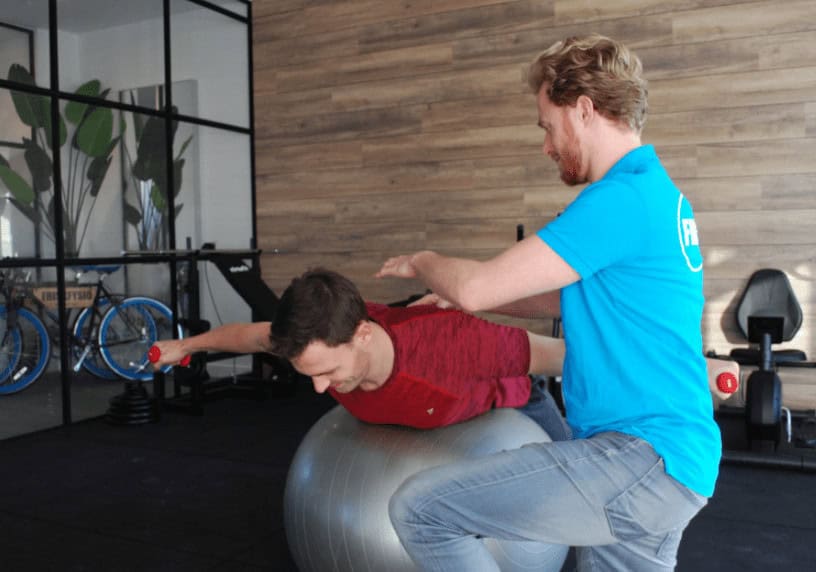
Did you know that physiotherapy can be a good alternative to surgery? Although surgery is often necessary, there are also certain situations in which physiotherapy is a better option. If you’re experiencing constant pain, you’ll want to get rid of it as quickly as possible. With conditions such as wear and tear, for example, surgery is often the first thing that springs to mind. However, surgery can also carry risks. For some conditions, surgery isn’t necessary at all if the right care is provided. For other conditions (such as wear and tear), the need for surgery can be delayed. If you’re considering surgery for something a physiotherapist could also look at, why not give it a go?
FRISKFYSIO can improve your sporting performance
Not everyone who visits a physiotherapist has a specific complaint. Many athletes seek the help of a physiotherapist to improve their sporting performance. After all, physiotherapists are experts in the field of movement and how the body works. You can use physiotherapy as an effective way to improve your sporting performance!
Physiotherapy can help you cope better with illnesses
Physiotherapy is also a brilliant solution for people with (chronic) illnesses, such as those with diabetes. Exercise improves blood flow, making it easier to manage diabetes. Physiotherapy also offers a great deal of support and guidance to cancer patients. Chemotherapy is incredibly debilitating, both physically and mentally. Through targeted treatment, our (oncology) physiotherapists can motivate and encourage you both physically and mentally.
We can help you manage your blood pressure
Physiotherapy can also help you manage your blood pressure. Our physiotherapists can teach you how to recognise stress and how to cope with it. Losing weight and exercising regularly are also important ways to lower your blood pressure. You probably aren’t exercising because of pain, an injury or a lack of confidence in your own abilities. Sometimes it can be difficult to know where to start if you’re not used to regular physical activity. A physiotherapist can safely prescribe an exercise programme or activity plan that suits your fitness level and fits in with the things you enjoy doing. Be sure to ask your treating physiotherapist for advice on how they can help you manage your blood pressure.
Physiotherapy can improve your quality of life
For various reasons, your quality of life may not be what it should be. Your mental health may be affected by these issues, or by being overweight or other health problems that can be improved through a well-targeted exercise or activity programme. Sometimes you know that things aren’t quite right, but you’re not sure exactly where to start when looking for help. A physiotherapist can guide you through the process of regaining your quality of life.
Physiotherapy can prevent injuries/injuries
Injuries are an inevitable part of sport. Being active has its benefits, but it also increases your risk of injury. Physiotherapy can help prevent injuries. A physiotherapist can help you with muscle strength, balance and assessing your training programme to gain a better understanding of your risk of injury. Ask your physiotherapist for advice to see if you can prevent or reduce your risk of injury.
Physiotherapy at FRISKFYSIO in Amstelveen
Do you experience pain or other symptoms when moving? Please do not try to treat yourself, but get in touch with us. We’d be happy to help you get moving and stay active in a safe and responsible way. Call 085-5000333 to make an appointment, send an email to info@friskfysio.nl or fill in the contact form on our website. We will contact you as soon as possible.