A sudden twinge or sharp pain in your back? This could be a sign of lumbago. It may feel uncomfortable, but in most cases it is harmless and easily treatable. With some rest, the right exercises and, if necessary, guidance from your physiotherapist, you will usually be back to your normal self quickly and pain-free. In this blog, you can read about what lumbago is exactly, how it develops and what you can do to speed up your recovery.
What exactly is spit?
Lumbago, also known as acute lower back pain, is often caused by sudden strain on the muscles or ligaments in the lower back. The muscles reflexively tense up to protect the back, making movement difficult and painful. The pain can radiate to the buttocks or upper legs, but usually disappears without lasting damage. Resting helps, but too much rest is not beneficial. Movement remains essential for a good recovery.
How does lumbago develop?
Lumbago is often caused by a combination of factors. Poor posture, sudden twisting movements or lifting something heavy can be enough to strain the muscles in the lower back. Prolonged sitting, stress or reduced fitness of the back muscles can also play a role.
The most common causes are:
- A sudden wrong movement or stooped posture
- Prolonged sitting or standing
- Tension and stress that increase muscle tension
- Poorly trained back and abdominal muscles
- Cold or draughty conditions that cause muscles to cramp more quickly
- By exercising consciously and improving your posture, you can significantly reduce the risk of lumbago.
What can you do yourself for lumbago?
Lumbago often feels intense, but in most cases there is a lot you can do yourself to speed up your recovery. From research It appears that you recover better from lumbago if you keep moving after the worst of the pain has passed. Pay close attention to your posture and make sure your back becomes stronger and more stable, rather than sitting or lying still for long periods of time. Prolonged sitting actually slows down recovery. Change your posture regularly, stay active and choose activities such as walking, cycling or swimming. These forms of exercise keep your back flexible and gradually strengthen your muscles.
In addition, there is a lot you can do yourself to support recovery. Heat often helps to relax the muscles and reduce pain, for example with a warm shower or a hot water bottle. Light exercises and gentle movements stimulate blood flow and make the back more flexible. Try to avoid overexertion by not lifting heavy objects or making sudden twisting movements. Give your body time to recover, as in most cases the symptoms will subside on their own within a few weeks to a month.
If the pain persists, it is advisable to consult your physiotherapist or general practitioner for further examination.
Preventing back pain
You can significantly reduce the risk of lumbago by taking good care of your back. Keep moving, change positions regularly and ensure you have a strong core. Relaxation also plays an important role, as stress increases muscle tension.
A few simple habits can help:
- Alternate between sitting, standing and moving around regularly
- Ensure a good working posture
- Do light back and torso exercises every day.
- When lifting, keep your back straight and lift with your legs.
How can physiotherapy help?
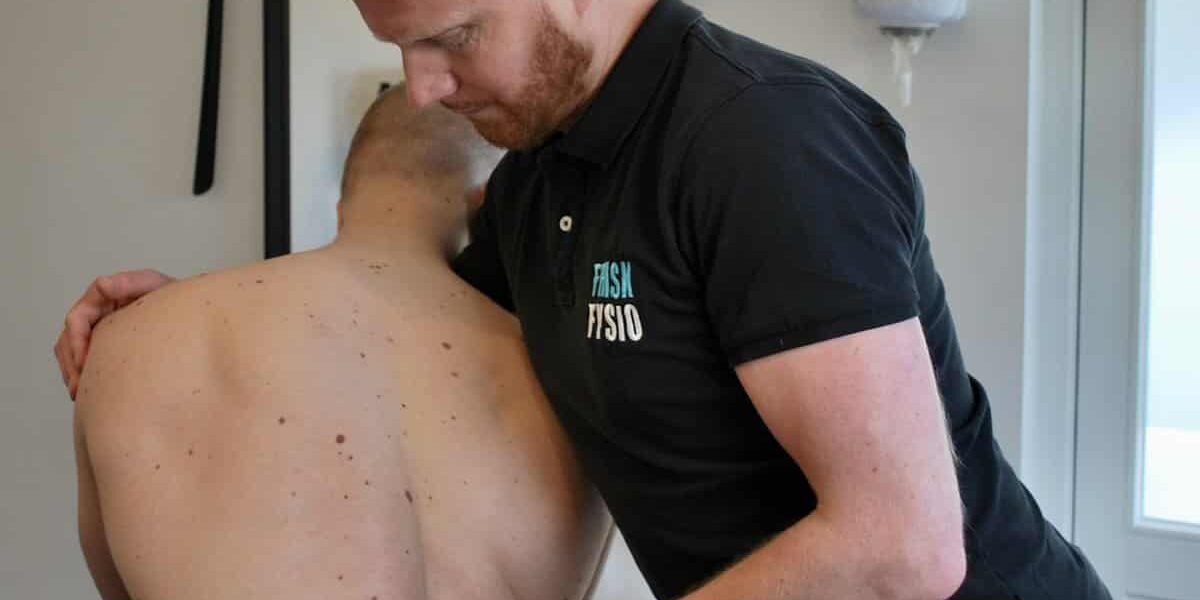
A physiotherapist can help you recover from lumbago quickly and safely. During the first appointment, the therapist will examine the cause of your symptoms and discuss how you can continue to move without overexerting yourself. Together, you will work on relaxing your muscles, improving your posture and strengthening your back.
The treatment may consist of:
- Targeted exercise therapy to strengthen back and abdominal muscles
- Mobilisation techniques to make the back more flexible
- Posture and movement advice for daily use
- Advice to prevent recurrence of lumbago
Physiotherapy not only aids recovery, but also helps build confidence in movement.
Do you suffer from lumbago?
Is your back still stiff or painful, or does the problem keep coming back? Then it is wise to have the cause investigated. Our physiotherapists are happy to help you with personal advice, a tailor-made treatment plan and exercises that suit your situation.
Take today contact with us at 085-5000333 or mail to info@friskfysio.nl for an appointment. Together, we will ensure that you can move freely and pain-free again.