Cupping therapy

In cupping therapy, cups create a vacuum on the skin. At FRISKFYSIO Amstelveen, we’ll discuss whether this technique, as a complement to your physiotherapy, is suitable for your symptoms and treatment goals.

What happens during cupping?

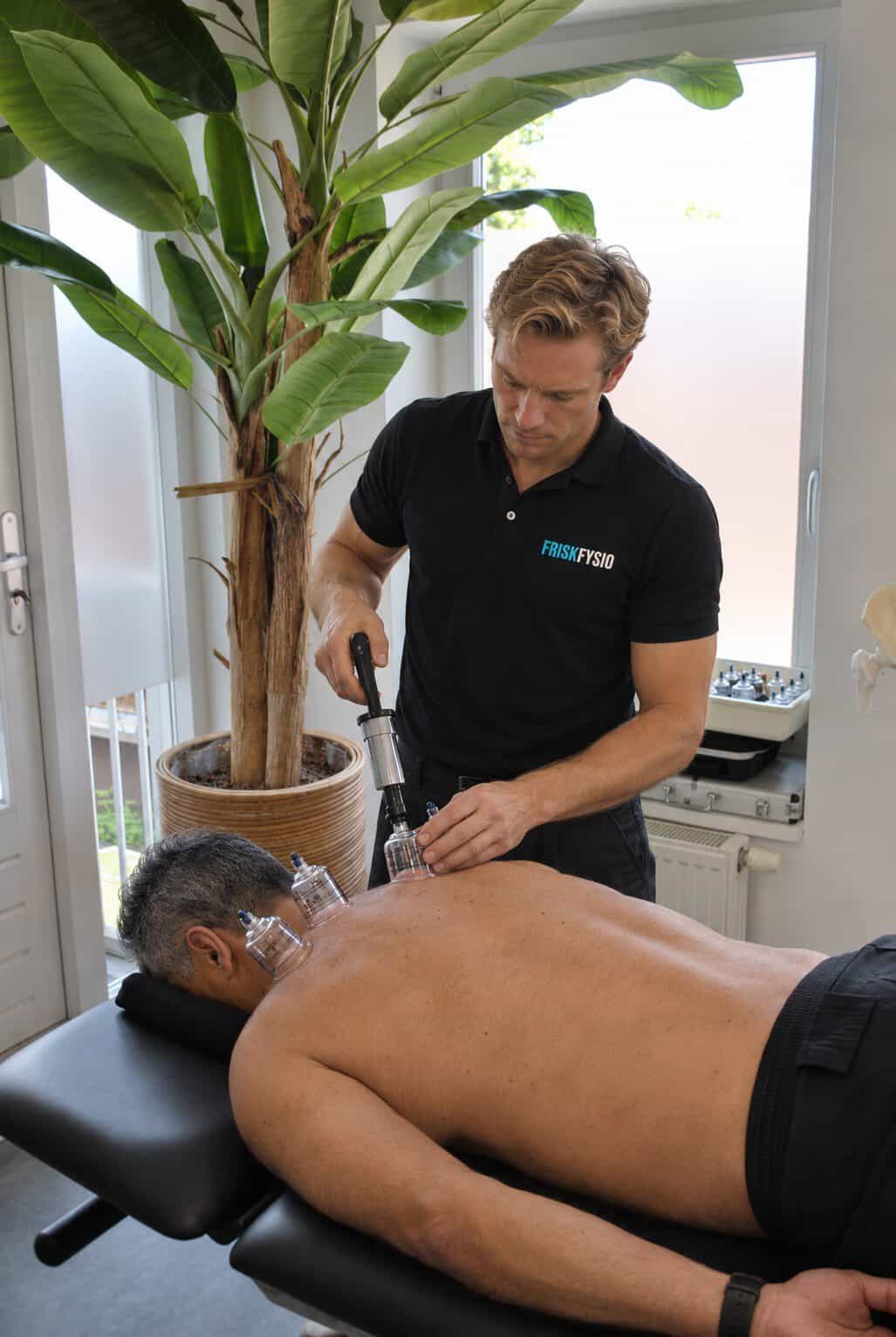
The cups are placed on the skin or moved across it. The suction lifts the skin. Your physiotherapist will adjust the intensity to suit the area being treated and your response. We’ll explain beforehand what we’re going to do and what sensations you can expect.

Your experience during treatment

Cupping can feel like a firm, pulling massage. Please let us know straight away if the treatment is painful or feels uncomfortable. We will adjust the treatment or stop it. More pain does not mean the treatment is working better.

The aim may be to promote relaxation or to reduce pain. The scientific evidence for pain relief is limited. We will therefore discuss how this technique fits in with your exercises and other parts of your treatment plan.
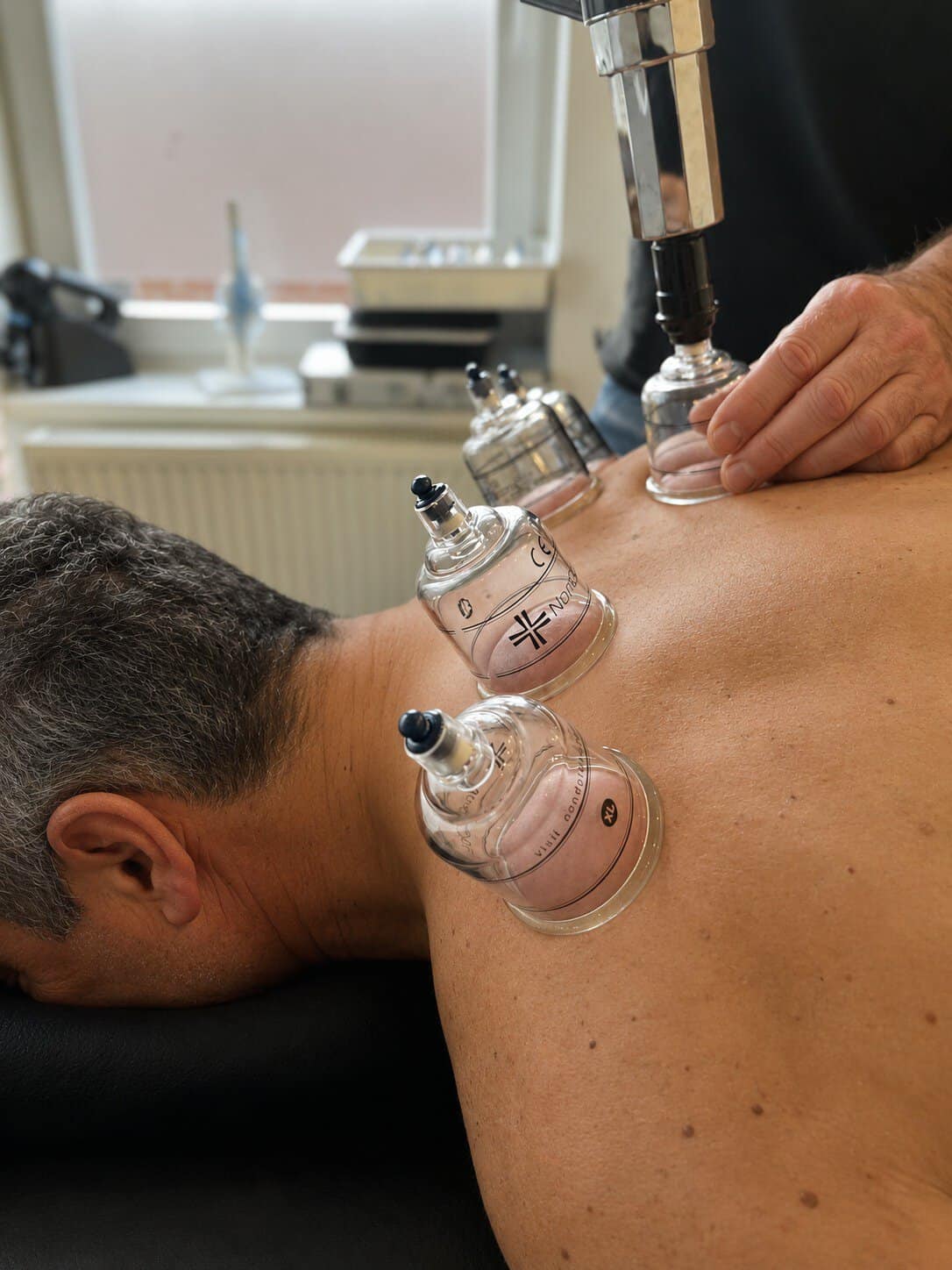
AI editing of a clinical photograph: cups on the upper back during cupping therapy
AI editing of a clinical photograph: a male physiotherapist performing cupping on a client’s back

When should cupping therapy be used?

Do you suffer from muscle problems or recurring tension? During the initial consultation, we will assess your symptoms and discuss which approach is right for you. Cupping is not suitable for everyone or for every condition.

Please tell your physiotherapist about your health, any medication you are taking and any skin problems you may have. This will enable us to assess whether cupping is suitable for you. You may also choose a different approach; your preferences will be taken into account when drawing up your treatment plan.

Our approach to cupping therapy

  • Personalised service. Your concerns, goals and preferences form the starting point.
  • An appropriate intensity. We’ll adjust the suction level based on your response and discuss how you’re feeling.
  • Part of your treatment plan. We’ll look at how cupping can be incorporated into your physiotherapy and exercise programme.
  • Evaluation. We will discuss how you feel during and after the treatment and adjust the approach if necessary.

You remain in control of your treatment. We’ll explain everything and give you the chance to ask questions before we start. Let us know what you’re comfortable with and what you’d rather avoid. Together, we’ll choose an approach that suits your symptoms and what you want to be able to do in your daily life.

What can you expect after the treatment?

The suction may cause temporary circular discolouration on the skin. The skin may also become irritated. Please discuss any skin conditions, such as eczema or psoriasis, with us beforehand. Please let us know if you experience any unexpected or persistent skin reactions following the treatment.

At your next appointment, we will discuss how you have responded to the treatment. Have you noticed any difference when moving around, working or exercising? This helps us to assess whether the chosen approach is effective. You will also be given advice on what you can do yourself and how your exercises fit in with your treatment plan.

Your first appointment

During your first appointment, we will discuss your symptoms, your health and your personal goals. We will then assess your options and draw up a treatment plan together. You will be given an explanation of the treatment and plenty of opportunity to ask any questions you may have.

Our support focuses on what you want to be able to do again in your daily life. Cupping can complement this; we always tailor the treatment to your situation and progress.

Would you like to discuss whether cupping therapy is right for you? Send us a message or Book your appointment online.

Video by FysioTape: an explanation of cupping therapy. Watch the video on YouTube.

APPOINTMENTS AND CONTACT DETAILS

An appointment at FRISKFYSIO Amstelveen

Do you have any questions about cupping therapy or would you like to book an appointment? Please get in touch with our team or use the online booking tool.

QUESTIONS ABOUT YOUR TREATMENT

Frequently asked questions
About cupping therapy

Click on a question to read the answer.

What is cupping therapy?

Cupping therapy is a treatment in which cups create a vacuum on the skin. In cupping, cups are placed on the skin or moved across it.

What does cupping feel like?

Cupping can feel like a firm, pulling massage. Please let us know straight away if the treatment is painful or feels uncomfortable. More pain does not mean the treatment is working better.

Is cupping suitable for everyone?

Cupping is not suitable for everyone or for every condition. Tell your physiotherapist about your health, any medication you are taking and any skin problems you may have.

How is the treatment tailored to the patient?

Your physiotherapist will adjust the intensity to suit the area being treated and your comfort level. We’ll explain in advance what we’re going to do and what sensations you can expect.

What is known about its effect on pain?

The scientific evidence for pain relief is limited. We will therefore discuss together how this technique fits in with your exercises and other parts of your treatment plan.

What happens during my first appointment?

During your first appointment, we will discuss your symptoms, your health and your personal goals. We will then assess your options and draw up a treatment plan together. You will be given an explanation of the treatment and plenty of opportunity to ask any questions you may have.

Can cupping leave marks on the skin?

Yes, the suction may cause temporary circular discolouration. The skin may also become irritated. Please discuss any skin problems with us in advance and contact us if you experience an unexpected or persistent reaction.

Can I choose a different treatment instead?

Yes. We’ll discuss the options and your preferences before we start treatment. Cupping is a possible complement to physiotherapy. Together, we’ll work out which approach and exercises are best suited to your situation.