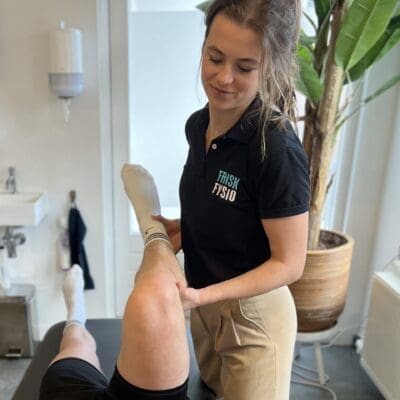
What is osteoarthritis?
Joint wear (osteoarthritis) causes a change in the quality of cartilage. Cartilage allows bones and joints to move smoothly and absorb shocks properly. It also changes the composition of the fluid (synovia) in a joint. Osteoarthritis is most common in the hands, knees, hips, shoulders and neck. Through physiotherapy, the symptoms can be reduced so that there is no longer any hindrance in daily life and pain is reduced.
Causes of osteoarthritis
There are several factors that play a significant role in the development of osteoarthritis. One major factor is your age. If you are aged 50 or over, your risk of developing osteoarthritis increases. In addition, you may also have a genetic predisposition to osteoarthritis: if someone in your family has osteoarthritis, there is a chance that you may develop it yourself. If you have a genetic predisposition, it is possible that you may develop osteoarthritis in your joints at a young age.
Also affecting the development of osteoarthritis:
- Overweight; (morbid) obesity
- Joint inflammation; rheumatism, arthritis or gout
- Joint disorders; hip dysplasia, leg necrosis, metabolic disorders or hormonal disorders.
- Leg length difference
- Overly flexible ligaments and muscles (hypermobility)
- Gender: research has shown that women suffer more often and faster from osteoarthritis;
- Injuries: if you have had a (serious) injury in the past, this may increase the risk of osteoarthritis;
- Occupation: if you do heavy physical work every day, this will put more strain on the joints;
- Intense sports that put heavy strain on your joints, think ball, combat or strength sports.
- Operations in history; especially of orthopaedic nature.