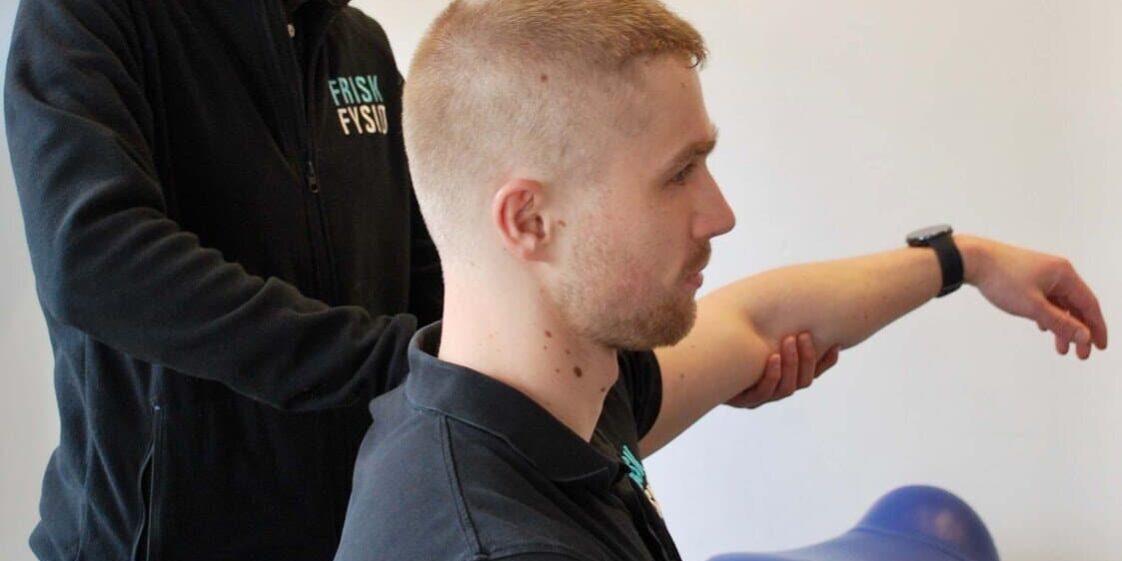
Do you suffer from persistent shoulder pain when lifting or sleeping on your side, for example? Then it could be tendinitis in the shoulder. This complaint is common in people who often strain their shoulder, for example during work, sport or daily activities. Tendonitis can cause a lot of discomfort. By recognising the cause in time and tackling recovery properly, you can prevent the symptoms from persisting for a long time.
What is tendinitis in the shoulder?
A tendonitis is when the tendons in the shoulder become overstretched or irritated. These tendons allow you to move your arm and apply force. When tendonitis is located in the shoulder, pain and stiffness develops in the shoulder and movement becomes more difficult.
How does tendonitis occur?
From information from Catharina Hospital shows that tendonitis in the shoulder is often caused by repeated overuse of the shoulder tendons. Movements involving frequent use of the arm above shoulder height, heavy lifting or prolonged unilateral loading can irritate the tendons. This causes pain, stiffness and sometimes loss of strength in the shoulder. If this strain continues for too long without sufficient recovery, the symptoms can worsen and persist for longer.
Recognising tendinitis
The symptoms usually develop gradually. For example, you notice pain when raising your arm, difficulty getting dressed or when lying on the painful shoulder. Sometimes the pain also radiates to the upper arm. The pain is often present during movement and may continue to nag at rest. This may also involve loss of strength. By recognising these signs early, you can take action faster and prevent further overuse.
Practical tips for shoulder tendinitis
With tendonitis, it is important not to keep the shoulder completely still, but to continue using it. The following advice can help with recovery:
- Avoid painful movements above shoulder height
- Alternate taxing activities with moments of rest
- Keep moving the shoulder gently within the pain threshold
- Pay attention to your posture during work and daily activities
- Gradually rebuild sport and heavy lifting
By applying these steps, you support recovery without further irritating the shoulder.
What happens if you stay with symptoms for too long?
If you ignore tendonitis and continue with strenuous activities, the irritation may increase. The pain may remain present for a long time and recovery may take longer. In some cases, you can also move your shoulder less well, making daily activities increasingly difficult. Timely intervention helps prevent this.
How can physiotherapy help with tendonitis in the shoulder?
Physiotherapy plays an important role in the recovery from tendinitis in the shoulder. The physiotherapist examines where the strain is coming from and looks at your posture, movement pattern and muscle balance. Based on this, you will receive a personalised treatment plan.
Treatment often consists of targeted exercises to make the shoulder muscles stronger and more resilient. You will also receive advice on adapting daily activities and building up the amount of load responsibly. Exercise therapy is also often used during the guidance of shoulder complaints. Through this guidance, the shoulder gradually recovers and you learn how to prevent future complaints.
Want to work on recovery from your shoulder pain?
Are you suffering from tendonitis in the shoulder or do you recognise the symptoms described? Our physiotherapists will be happy to help you with personal advice and a treatment plan that suits your situation. Take contact with us at 085-5000333 or send an e-mail to info@friskfysio.nl to make an appointment. That way, you will take a good step towards recovery and greater freedom of movement.